
Industry-Relevant Knowledge
Understand the science, materials and technologies driving today's textile and chemical manufacturing industries.
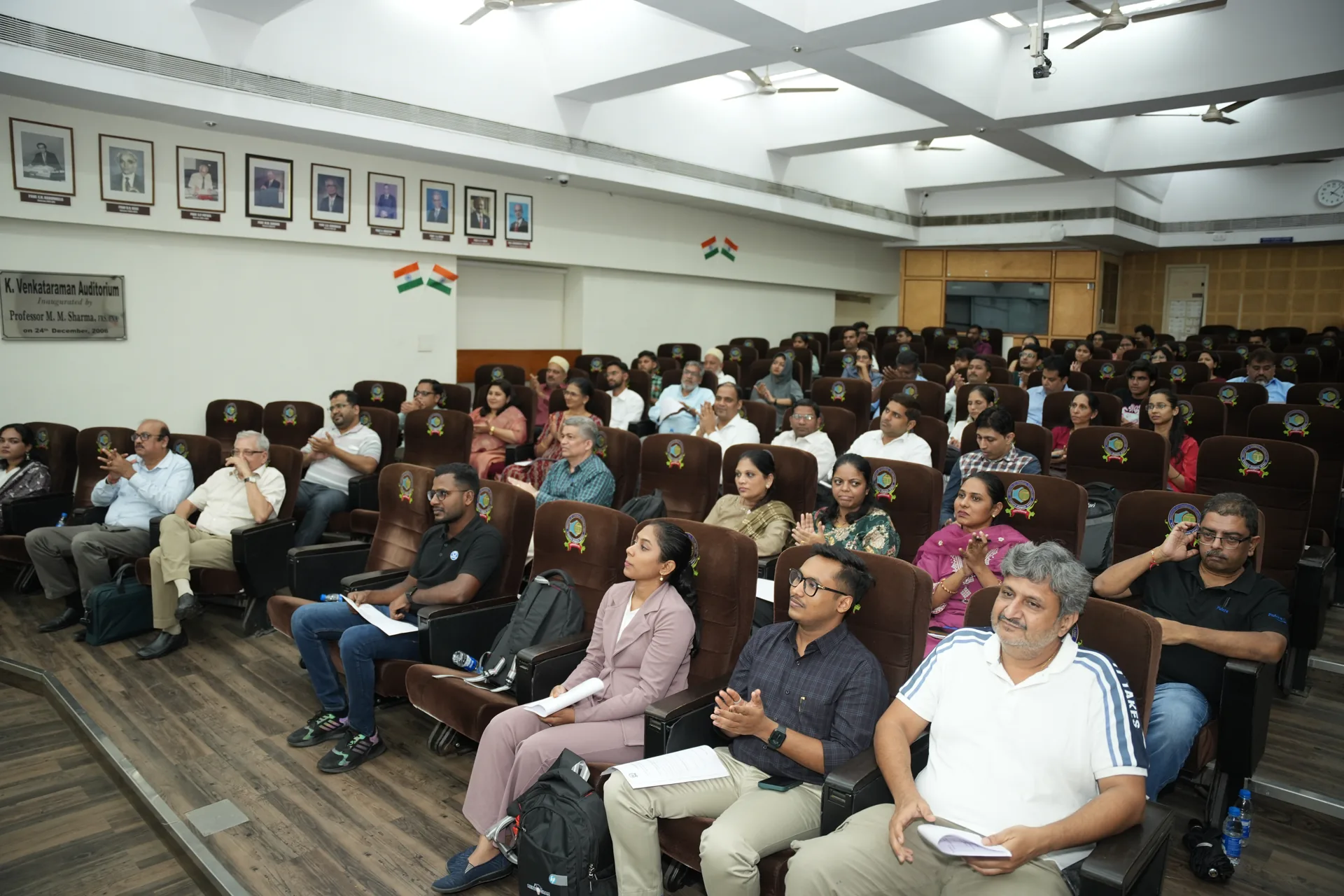
Five days at ICT Mumbai exploring textile fibres, processing, colourants, printing, finishing, quality and sustainable manufacturing through laboratory demonstrations and industry-led sessions.
A five-day, face-to-face immersion at ICT Mumbai for professionals in textile manufacturing, auxiliaries and colorants. The programme connected technical fundamentals with laboratory demonstrations and lessons from industry leaders.
The published curriculum moved from natural and man-made fibres and preparation techniques through textile auxiliaries, dyes and pigments, printing, finishing and quality control. The final day examined sustainability and emerging technologies, with hands-on demonstrations and industry-leader sessions throughout the week.
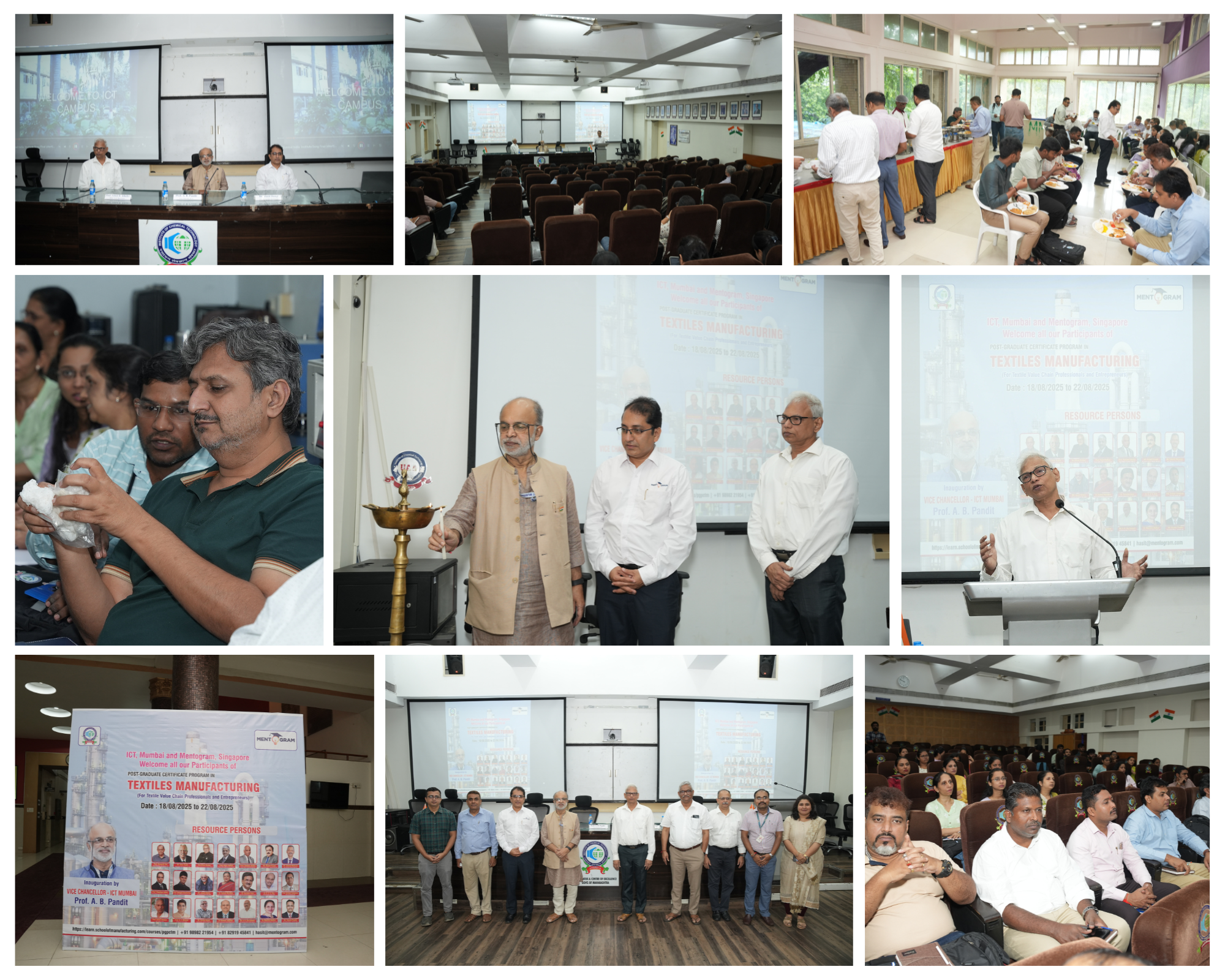
An intensive learning experience
Focused academic and technical sessions
Industry and academic expertise
Learning in an academic environment
A carefully structured learning experience designed to connect technical understanding with practical manufacturing perspectives.
Understand the science, materials and technologies driving today's textile and chemical manufacturing industries.
Learn from experienced academic professionals, technical specialists and industry practitioners.
Connect theoretical concepts with practical demonstrations, testing methods and process applications.
Explore the relationship between raw materials, processing parameters, product performance and quality.
Build an understanding of the interconnected textile value chain, from fibre preparation to finishing.
Experience a learning environment supported by the academic expertise and institutional ecosystem of ICT Mumbai.
Each day combined academic teaching at ICT Mumbai with practical demonstrations and perspectives from leaders in textiles, auxiliaries and dyes.
Expert-led classroom teaching at ICT Mumbai on fibres, preparation, auxiliaries, dyes, pigments, printing and finishing.
Practical demonstrations that connected each technical topic with testing methods and process applications.
Sessions with leaders from the textile, auxiliary and colorant industries sharing real manufacturing experience.
Institute of Chemical Technology, Mumbai
5 consecutive days · 30 learning hours
From fibre identification and dyeing demonstrations to printing methods, quality systems and emerging technologies.
Natural and man-made fibres, high-performance materials, fibre identification and pre-treatment.
The curriculum covered cotton, polyester, nylon and viscose; microscopy, solubility and burn tests; and desizing, scouring and bleaching.Auxiliaries across pre-treatment, dye baths and finishing, alongside dyes, pigments and functional colorants.
Sessions explored auxiliary types, colorant chemistry, dye–fibre interactions and hands-on dyeing with jigger, padding mangle and jet-dyeing equipment.Printing styles and methods, paste preparation, fastness testing and functional finishes.
The agenda included direct, discharge and resist printing; block, screen and digital methods; softening, stiffening, wrinkle resistance and functional finishes.Quality control, sustainability and emerging textile-processing technologies.
The final modules covered laboratory methods and standards, water and energy conservation, waste management, enzyme treatments and plasma processing.Follow the published sequence of fibre science, auxiliaries, printing, finishing, quality, sustainability and industry sessions.
Start with natural and synthetic fibre families, then move into identification methods and the preparation processes used before coloration.
Overview of cotton, polyester, nylon and viscose, alongside high-performance functional fibres.
Microscopy, solubility and burn tests for distinguishing textile fibres.
Desizing, scouring and bleaching before downstream textile processing.
Practical demonstration of fabric preparation techniques.
Industry-leader session on the Indian textile industry and its clusters.
Recognise major fibre types and connect identification and preparation methods to textile processing.
Original photographs from the five-day Textile Manufacturing programme, brought together in an automatically advancing carousel.
The programme brought together academic and industry expertise to share technical knowledge and practical perspectives.
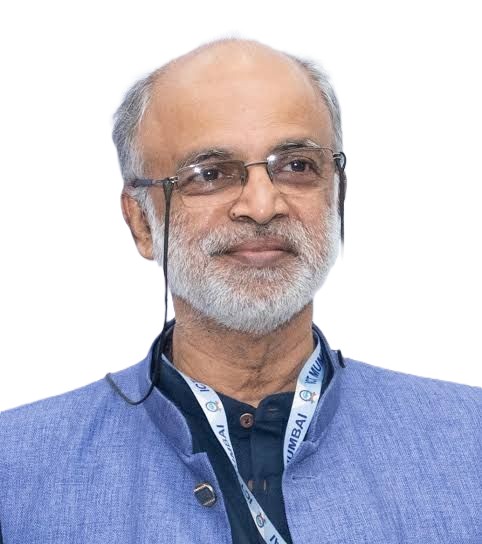
Vice Chancellor, UGC Professor, Chemical Engineering
Institute of Chemical Technology (ICT)
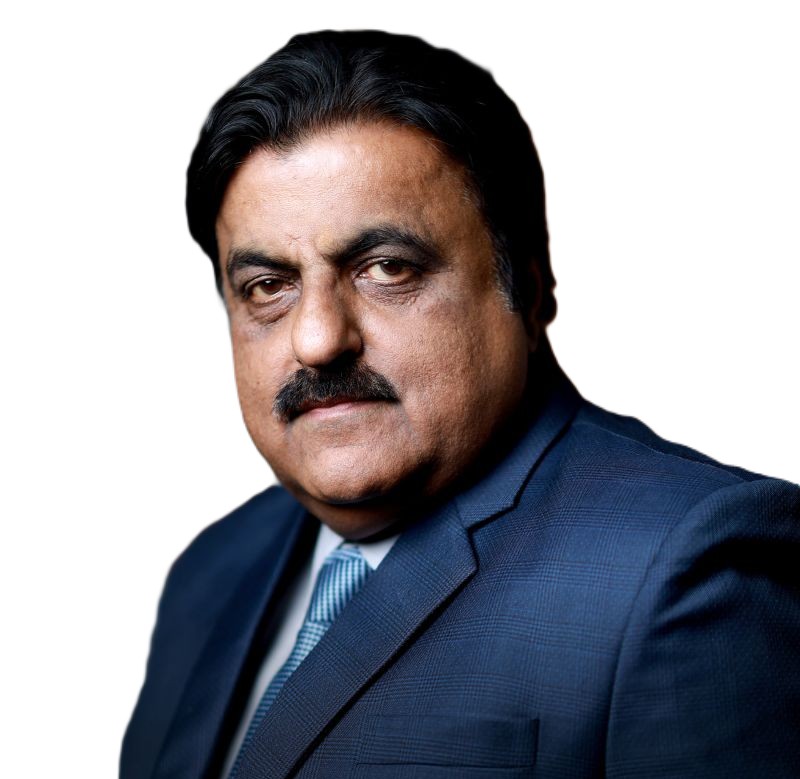
Global Senior President – Super Systems
Archroma
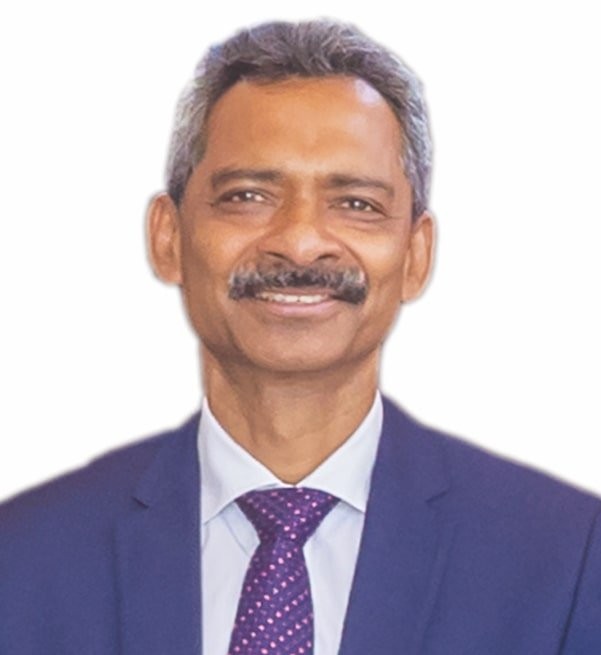
Director
Rossari Biotech Limited
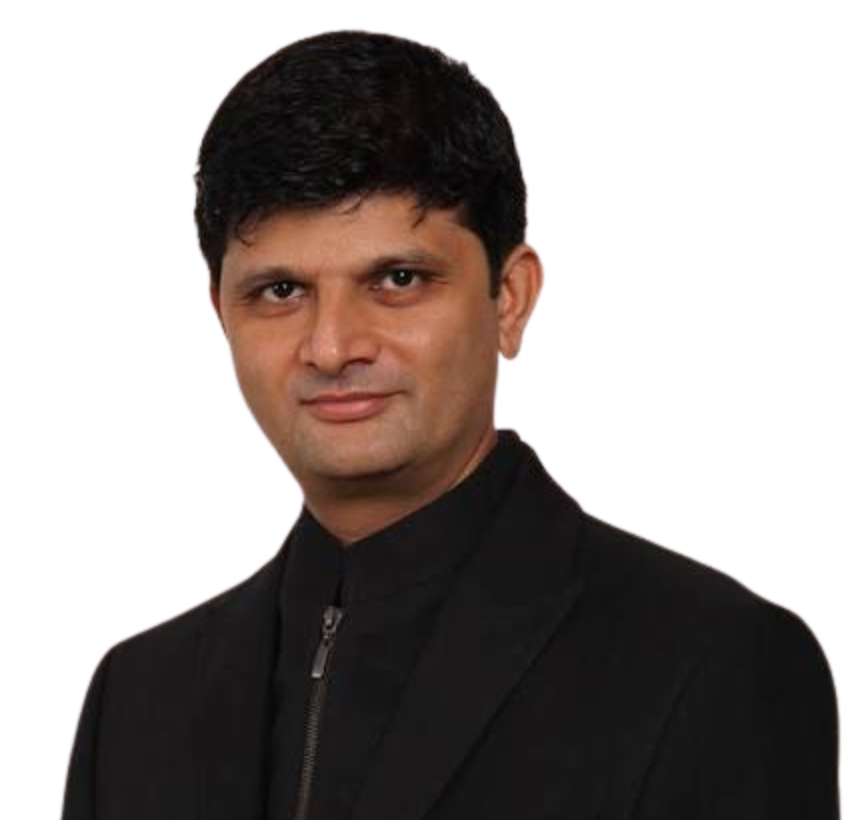
Head of Department – Speciality Chemicals Technology
Institute of Chemical Technology (ICT)
Independent Director
Rossari Biotech Limited

President
Atul Limited
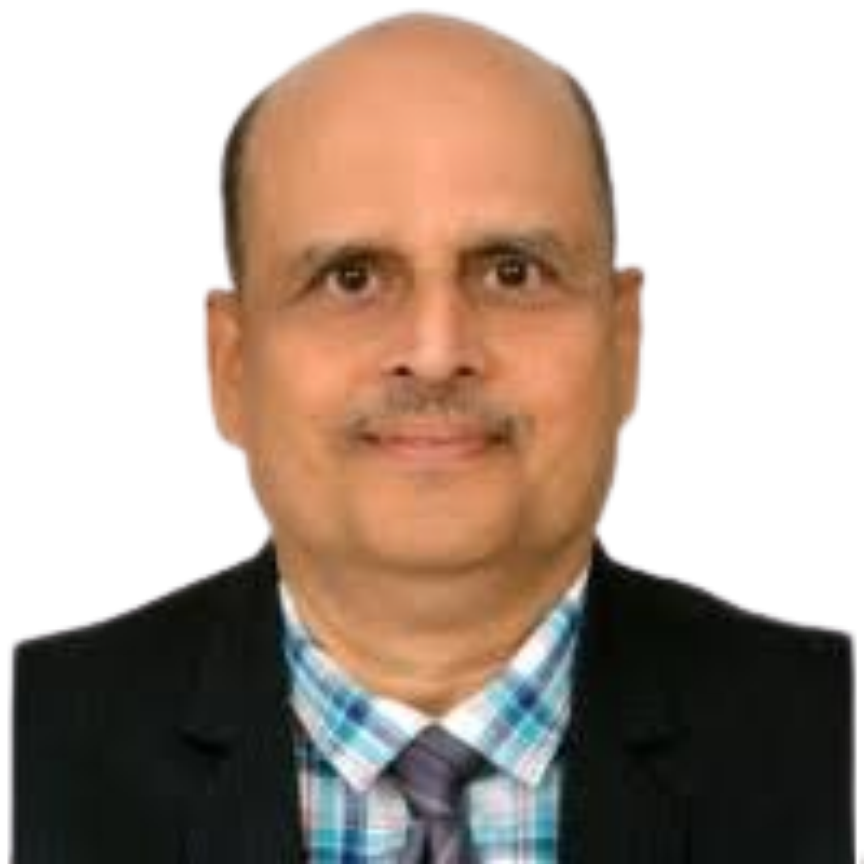
Training Coaching, Consultancy
Self-employed
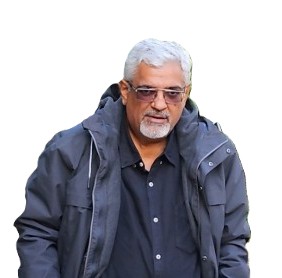
Vice President – South Asia
DyStar India Limited
Over five days the curriculum moved from natural and man-made fibres and preparation, through textile auxiliaries, dyes and pigments, to printing, finishing and quality control — closing with sustainability and emerging technologies.
The programme connected textile fibres and preparation with auxiliaries, dyes and pigments, printing, finishing, and quality control—grounding each subject in academic teaching, laboratory demonstrations, and industry perspectives.
A certificate of participation was awarded to eligible participants by the Institute of Chemical Technology, Mumbai, and Mentogram.The Textile Programme brought together ICT Mumbai faculty and industry leaders with professionals across textiles, auxiliaries and dyes — linking classroom science, laboratory practice and real manufacturing experience.
Delivered at the Institute of Chemical Technology, Mumbai, by School of Manufacturing in association with Mentogram.Explore current programmes